What an inspiring 2 days at the 2026 European meeting of ISMPP in London! The event brought together some of the brightest minds in medical publications, more than 400 professionals in all, setting a new attendance record at the annual event. The packed program had the theme Evolving With Purpose: Excellence in an Era of Efficiency, with many sessions addressing the need to respond with agility and resilience to the opportunities and challenges posed by AI.
International leadership coach Michael Siller delivered an inspiring keynote address, entitled Slowing Down to Speed Up! Why Resilience, Adaptability, and Trust Are the Missing Links Between Speed and Academic Rigour in Medical Writing. Siller explored the tension between speed and academic rigor in an age of AI. He urged medical writers to embrace resilience, adaptability, and trust as we all seek to optimize AI’s impacts across our professional lives. Characterizing AI as a paradoxical tool offering speed and efficiency while raising questions around trust, transparency, and scholarly rigor, Siller suggested that now is the time to explore and question AI as a crucial step to using AI to accelerate excellence in the future.
Here, we share highlights from some of the sessions and showcase some of OPEN Health’s contributions. In the spirit of the meeting, we partnered with AI to consolidate our thoughts on the meeting and prepare this article. Please click through the tabs below to read more insights.
Overall theme
Excellence in an era of Efficiency

Across the 2026 ISMPP European Meeting, the sessions collectively underscored how our field is evolving with purpose by strengthening both efficiency and excellence. The patient-centered publications session demonstrated how structured engagement, clear SOPs, and tools such as PLS and PEER are enabling patients to shape research more meaningfully, reinforcing the value of lived experience in enhancing credibility and accessibility.
Complementing this, the discussion on master narratives and modular content highlighted how coherent storytelling—anchored in scientific integrity—can cut through today’s fragmented information landscape while streamlining development and regional adaptation.
Alongside these innovations, speakers examined the pressures on the current publishing ecosystem, from peer review fatigue to predatory practices and the potential disruptive influence of AI, calling for responsible disclosure, renewed trust, and fair recognition for reviewers.
Efficiency was further explored in the manuscript life cycle panel, where early alignment, scenario planning, and closer collaboration with publishers were identified as essential to reducing delays and improving the predictability of publication pathways.
Together, an overarching theme from several sessions emphasized that purposeful evolution requires balancing rigor with agility—embedding patient partnership, narrative clarity, ethical stewardship, and operational excellence at the heart of modern medical publishing.
Embracing AI
Evolving to embrace AI in medical communications

AI again featured prominently throughout the 2026 ISMPP European Meeting, with sessions exploring how the technology can enhance excellence and efficiency in our evolving communications landscape. The balloon debate on whether AI delivers quality, speed, or innovation showcased contrasting viewpoints—from the fragility of quality and need for oversight to concerns around over‑reliance and hallucinations. Examples such as ambient voice technology increasing clinician interaction time demonstrated AI’s potential to transform practice rather than simply optimize workflows. Ultimately, innovation prevailed, reflecting strong confidence in AI’s capacity to expand what is possible when applied responsibly.
Practical application took centre stage in the AI Upskilling session, which outlined how structured, intentional prompting can significantly elevate output quality. The RICCE (Role, Instructions, Context, Constraints, and Examples) framework, the use of personas, and stepwise prompting were highlighted as effective strategies for guiding AI. Feedback loops and memory settings were positioned as essential to refining and personalising outputs. Ethical and environmental considerations—such as minimising hallucinations, prioritising credible sources, and reducing unnecessary computational load—reinforced that efficiency must be balanced with responsibility.
Together, these discussions emphasised that meaningful evolution in our field requires embracing AI as a partner: one that accelerates excellence when guided by sound scientific judgement and purposeful design.
Roundtables
OPEN Health Roundtables

OPEN Health took part in moderation of 4 out of 18 roundtable discussion themes covering a broad range of subject matter including:
- Ethics Under Pressure: Maintaining Research Integrity When Efficiency Demands Escalate
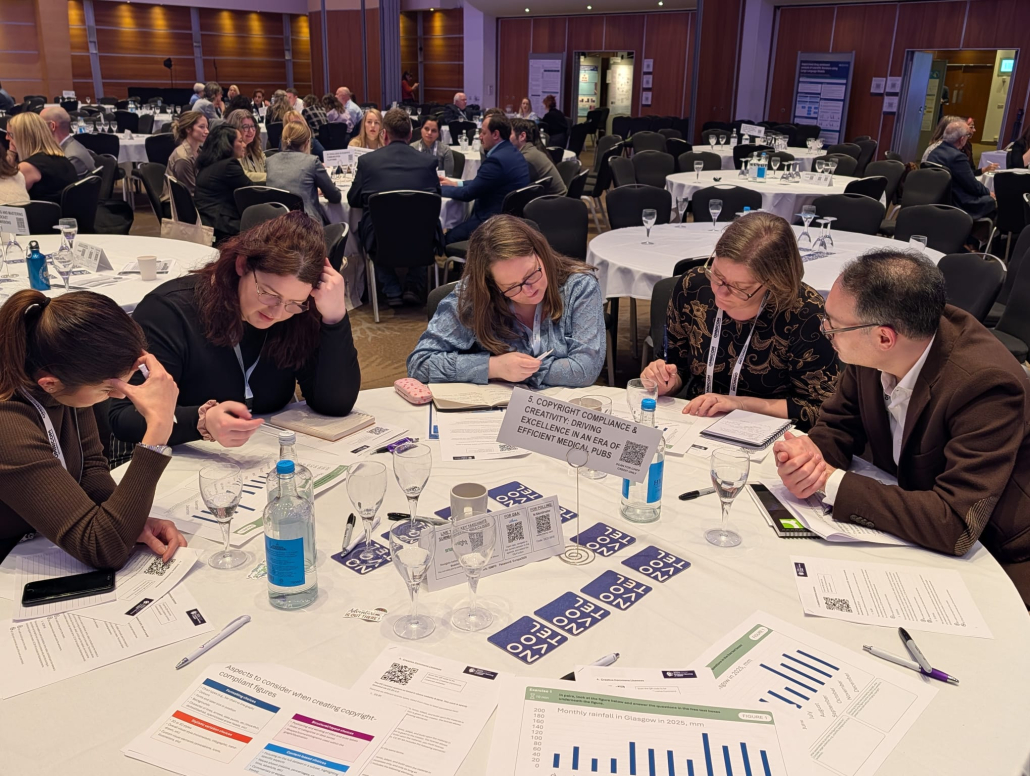
- Copyright Compliance & Creativity: Driving Excellence in an Era of Efficient Medical Publishing
- Publications in Pop Culture: Reclaiming Scientific Integrity in a Viral World
- Simultaneous Publications: Measuring Impact and Value Across Stakeholders
These roundtables were very well attended, with lively and engaging discussions.
See below for what you may have missed:
Ethics Under Pressure: Maintaining Research Integrity When Efficiency Demands Escalate
This roundtable examined 3 recurring ethical challenges in medical publications:
- Compressed timelines: Strategies to uphold GPP while accelerating delivery include early scheduling of author reviews, live review sessions with documented outputs, and advance notification of review windows.
- Late‑stage authorship additions: Although uncommon in pharma‑sponsored trials, this issue is increasing elsewhere. Clear communication of ICMJE criteria, early authorship alignment via steering committees, use of author agreements or algorithms, and appropriate contributorship or acknowledgements were highlighted. Escalation may be required in some cases.
- AI‑generated peer review: When AI‑derived reviewer comments are suspected, immediate engagement with the sponsor and journal is essential, given policy violations and potential exposure of embargoed data to open LLMs.
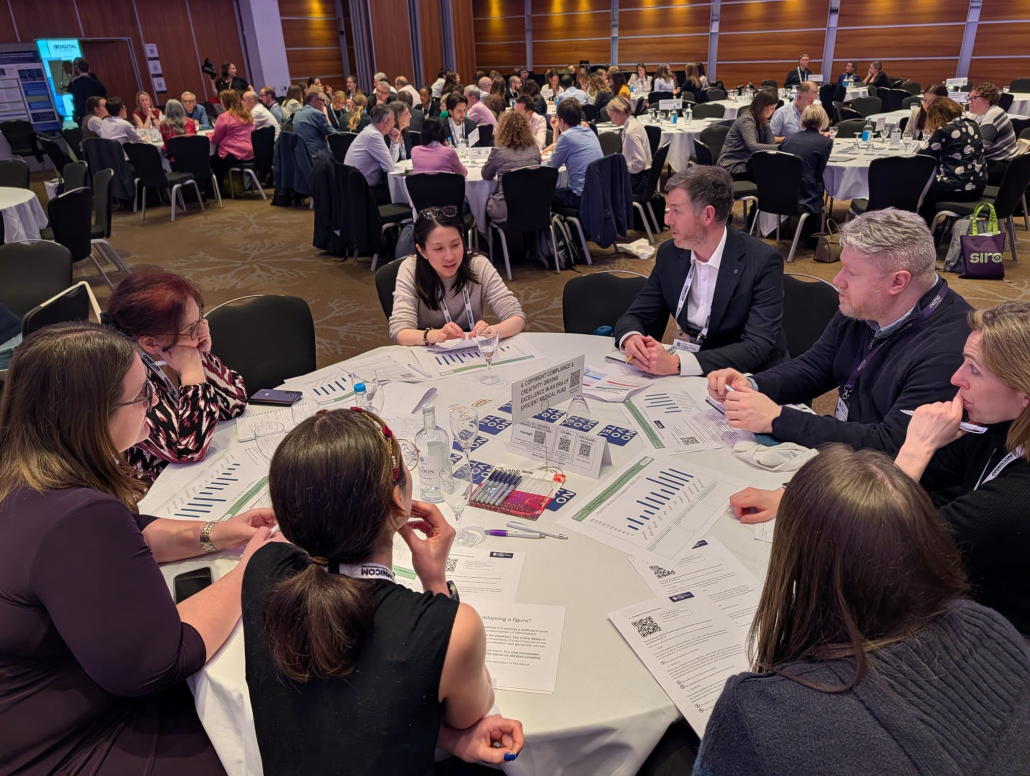
Copyright Compliance & Creativity: Driving Excellence in an Era of Efficient Medical Publishing
This session included an overview of the most common types of journal copyright licences and explained how they differ, followed by a practical exercise and lively discussion in which attendees looked at example figures to understand:
- How they are protected by copyright
- How they could be adjusted to meet the needs of an alternative audience
- How to determine whether a copyright fee would still be due, following adjustments
We were fortunate enough to also have publisher attendance to get their perspective as well.
Publications in Pop Culture: Reclaiming Scientific Integrity in a Viral World
Here, we explored how publications intersect with pop culture – and how that shapes the way we engage with digital opinion leaders (DOLs) and authors. Across the discussions, 3 key themes emerged: the need to build friction into processes to help safeguard accuracy, a need to leverage shared frameworks grounded in GPP to neutralise power dynamics, and a need to treat dissemination (including DOL engagement and social media translation) as an integral part of the publication itself.
Simultaneous Publications: Measuring Impact and Value Across Stakeholders
The learning objectives focussed on assessing the impact and value of simultaneous publications across stakeholders. Discussion across both sessions reflected differing views, though most agreed these publications are highly impactful, generating strong interest around trial data and driving HCP engagement. However, evidence of longer-term impact—such as influence on guideline changes—remains limited, highlighting the need for further data. The group agreed that successful execution depends on strong agency–pharma partnerships. Overall, simultaneous publications are impactful but should remain a strategic choice rather than the default approach.
GPCAP update
Evolving with Purpose: GPCAP Updated

The updated GPCAP guidelines, presented at ISMPP Europe 2026, highlighted how conference communication is evolving to deliver clarity, accessibility, and purposeful engagement. Speakers emphasised the value of storytelling, thoughtful visual design, and adaptive formats—including hybrid delivery and interactive media—to create more impactful abstracts and presentations. Case studies underscored the importance of tailoring messages for diverse audiences and cultural contexts, while peer feedback and structured review processes were championed as essential drivers of continuous improvement.
The new GPCAP sections reflected broader shifts across scientific meetings, addressing inclusivity, enhanced content, and alignment with emerging AI practices. The panel reinforced the need for early and meaningful patient involvement, robust plain language summaries, and more coordinated planning to reduce last-minute changes. With pressures on organisers increasing, and multistakeholder collaboration now a defining feature of modern conferences, the guidelines offer practical, scalable support for delivering high quality content efficiently. Overall, the session demonstrated how GPCAP is evolving with purpose—helping the community raise standards while navigating an era defined by efficiency and increasing complexity.
OPEN Health at ISMPP
OPEN Health at ISMPP Europe
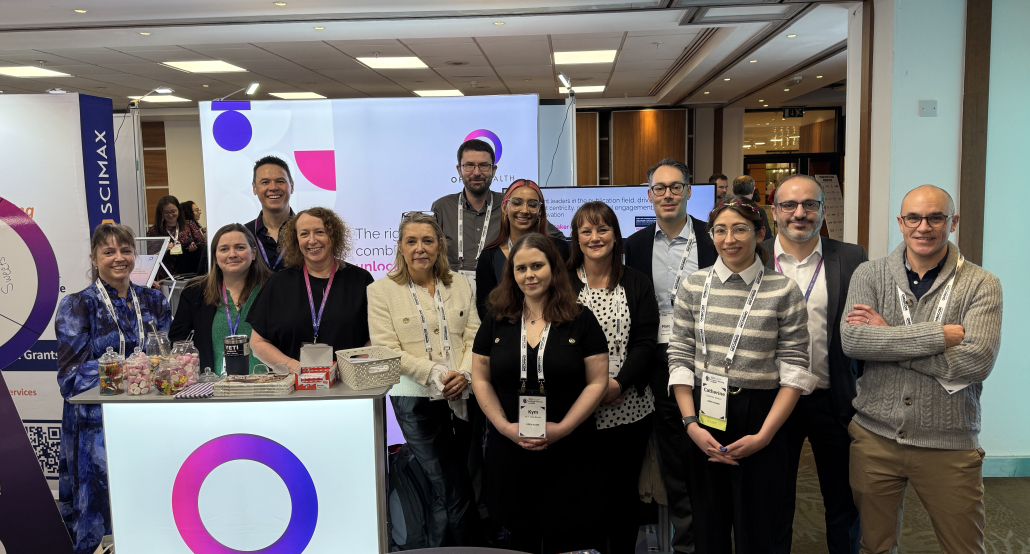
Again this year, OPEN Health had a strong and engaged presence at ISMPP, with 14 team members in attendance, representing senior leadership as well as cross-functional expertise from across the business. As a gold sponsor of the event, OPEN Health played a key role in supporting the vital exchange of ideas that occurred there.
In our commitment to advancing excellence in medical publications, OPEN Health hosted 4 roundtables marked by a lively sharing of ideas, 3 posters showcasing best practice and innovation, and 2 parallel sessions sharing practical guidance and reinforcing thoughtful process-driven techniques for successful medical publications.
Marc Swift (Vice President, Client Services) was honored to serve as vice chair of this year’s event – while learning from colleagues across the community. We renewed old connections and built new ones, often via our booth (after luring people in for a spin of our prizes wheel), but also outside the meeting proper, helping to organise an “ISMPP run” along a section of the Thames Path on Wednesday morning! There were also dinners, laughs, and maybe even the odd drink or two.
Charity partner
LUNGevity: transforming lung cancer
This year OPEN Health partnered with LUNGevity to help to advance meaningful support and resources for people affected by lung cancer. For all visitors who dropped by our booth and had their badge scanned, we made a donation to this extraordinary charity. We would like to thank all of you who came to speak to us and helped us support this worthy cause.
Conclusion
Over two days of the European ISMPP meeting, engaging presentations and insightful discussions highlighted how our field is actively evolving with purpose, balancing efficiency with the unwavering need for scientific quality. Day 1 emphasized resilience, adaptability, and trust as foundations for navigating complexity, encouraging us to shift from pure subject‑matter experts to explorers who can harness emerging technologies responsibly. Day 2 built on this, exploring how publication processes must adapt to rising volumes, AI‑driven challenges, and stretched peer review, while reinforcing the importance of scenario planning, early stakeholder alignment, and a stronger focus on meaningful metrics over output. Together, the discussions underscored that excellence in medical publications will depend on intentional, ethically grounded innovation—ensuring that speed never compromises rigor or patient‑centered impact.
Meet the team
OPEN Health looks forward to seeing you at the 22nd Annual Meeting of ISMPP on 20–22 April in Washington, DC, USA, with the theme The Integrated Era: Purpose, Partnerships, Personalization.
Can we help?
For information about OPEN Health’s services and how we could support you, please get in touch.
Join us
Visit our careers page to view opportunities at OPEN Health.
At OPEN Health, we connect visionary minds, pioneering science, and advanced technology to drive real impact. By uniting people, science, and technology, we activate new opportunities for biopharma innovation. Our expertise across medical affairs and market access unlocks faster, smarter routes to market. We are committed to improving patient outcomes worldwide.
OPEN Health. The right combination to unlock possibilities.
For information about OPEN Health’s services and how we could support you, please get in touch.
Contact us
AI, Artificial Intelligence; DOL, Digital Opinion Leader; GPCAP, Good Practice for Conference Abstracts and Presentations; GPP, Good Publications Practice; HCP, Healthcare Professional; ICMJE, International Committee of Medical Journal Editors; ISMPP, International Society of Medical Publication Professionals; LLM, Large-Language Models; PEER, Patient Engagement Enabled Resource; PLS, Plain Language Summary.